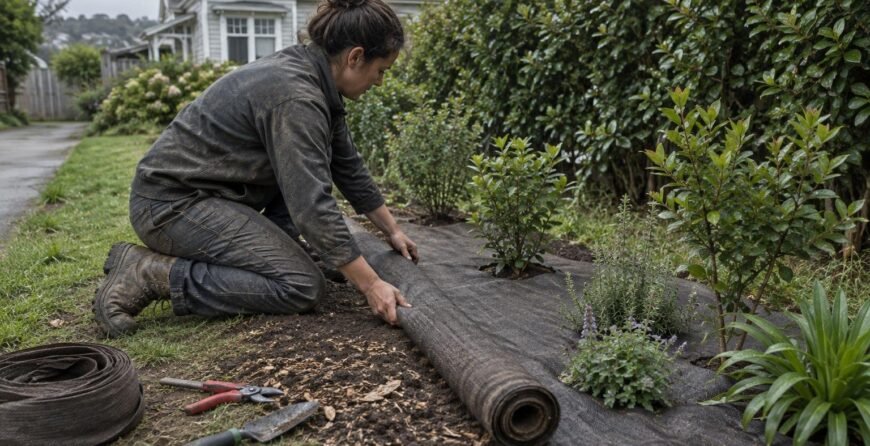
Auckland’s subtropical climate brings brilliant growing seasons—but also relentless weeds, unexpected frost snaps, and sloped sections prone to erosion. The right plant matting can be the difference between a thriving garden and one that demands constant replanting and maintenance. Whether you’re protecting tender vegetables from winter frost, suppressing weeds in raised beds, or stabilising a hillside, choosing the correct matting type and installing it properly saves time, money, and frustration.
Not all garden matting is created equal. Woven polypropylene, biodegradable jute, and erosion control fabrics each excel in different situations—and picking the wrong one can waste your investment or leave you battling the very problems you’re trying to solve. Understanding your garden’s specific needs, Auckland’s seasonal challenges, and the longevity of each material is essential before you make your choice.
This guide walks you through every type of plant matting NZ gardeners rely on, how to select the best option for your soil and microclimate, and the installation steps that ensure lasting results. By the end, you’ll know exactly which matting suits your garden and feel confident tackling the project—or ready to discuss options with the team at Garden Services Auckland.
- Match matting type to your Auckland garden’s specific challenge: Weed control mats, frost protection fabric, and erosion control matting each serve different purposes—choose based on whether you’re battling weeds, protecting tender plants from winter frost, or stabilising sloped sections.
- Material durability varies dramatically in Auckland’s subtropical climate: Woven polypropylene withstands UV exposure and lasts 5–10 years, whilst biodegradable jute breaks down in 1–2 seasons—select based on your timeline and environmental priorities.
- Correct installation prevents costly replanting and wasted investment: Improper matting application allows weeds to establish or frost to penetrate, so proper ground preparation and secure fastening are essential for long-term performance.
- Biodegradable options work brilliantly for vegetable gardens and temporary erosion control: Jute matting enriches soil as it decomposes, making it ideal for raised beds and newly planted slopes where you want a natural finish without synthetic residue.
Understanding Plant Matting: Types and Core Functions
Plant matting is one of those unsung garden heroes that solves multiple problems at once, yet many Auckland gardeners overlook it until weeds take over or frost threatens their precious plants. At its heart, plant matting—also called landscape fabric, weed control mat, or ground cover fabric—is a purposeful barrier laid across soil to address specific gardening challenges. Understanding what it does, and why, is the first step to choosing the right product for your situation.
The beauty of plant matting is that it serves three distinct purposes, often depending on the material and installation method. Weed control mat is designed to suppress the relentless bindweed, couch grass, and perennial weeds that plague Auckland gardens, especially in established beds where hand-weeding becomes a weekend ritual. Unlike mulch alone, a quality weed control mat creates a physical barrier that starves weeds of light, dramatically reducing the need for manual removal or herbicides. In Auckland’s humid climate with high summer rainfall, this isn’t just convenient—it’s a game-changer for maintaining garden beds from December through February when weeds thrive.
Frost protection matting addresses a different challenge altogether. Inland Auckland suburbs—think Clevedon, Kawai Purapura, and areas above 100 metres elevation—experience unexpected frost pockets during winter (June to August), even though central Auckland rarely freezes hard. Delicate plants like avocado, citrus, and tender ornamentals need temporary frost cloth protection. When laid over plants before frost hits, this lightweight fabric traps radiant heat and protects foliage and developing fruit from damage.
Erosion control matting tackles soil loss on sloped sections, particularly critical after Auckland’s heavy summer storms when bare earth literally washes away. This type stabilises soil whilst plants establish, preventing costly sediment runoff into stormwater systems and protecting your investment in new planting.
Plant Matting Materials: What Works Best in Auckland Conditions
Choosing the right material is where most mistakes happen, and it’s entirely understandable—the market offers woven polypropylene, non-woven fabric, natural jute, biodegradable options, and recycled blends. Each has trade-offs, and Auckland’s intense UV exposure, high humidity, and clay-heavy soils mean some materials outperform others significantly.
Woven Polypropylene: Durability Meets Practicality
Woven polypropylene is the workhorse of weed control mats. Its tight weave allows water and air through whilst blocking light effectively, making it ideal for beds where you’re planting shrubs or perennials and want a long-term solution. In Auckland, where rainfall averages around 1,200 millimetres annually, water permeability is non-negotiable—polypropylene handles this beautifully. However, Auckland’s intense UV radiation (our position closer to the equator means stronger UV than southern regions) does degrade polypropylene over time. Most quality woven polypropylene mats last 5–8 years in Auckland gardens before becoming brittle and breaking apart. Cheaper versions fail within 2–3 years. If durability is your priority and budget allows, opt for heavy-duty polypropylene (typically 100+ grams per square metre) rated for Auckland’s UV conditions.
Non-Woven Fabric: Lightweight and Cost-Effective
Non-woven landscape fabric is thinner, cheaper, and lighter to handle, making it popular for temporary projects or larger areas. It’s excellent for erosion control on newly planted slopes and works well under decorative mulch. The trade-off? It typically lasts only 3–5 years in Auckland’s climate before degrading, and it’s less effective at suppressing persistent perennial weeds like bindweed. If your soil is naturally well-draining and you’re willing to replace it sooner, this is a budget-friendly option.
Biodegradable Jute and Natural Alternatives
Here’s where environmental consciousness meets practicality. Biodegradable jute matting and coconut coir-based products are excellent for vegetable gardens, newly seeded lawns, and temporary applications. They decompose naturally over 1–2 years, enriching soil with organic matter as they break down. Auckland’s damp climate actually speeds decomposition—your jute mat will disappear into the earth within 18 months, which is perfect if you’re establishing a new bed and want the matting to become part of the soil structure. However, they’re not suitable for long-term weed suppression in ornamental beds, and they cost more upfront than polypropylene.
Recycled and Eco-Conscious Blends
An increasingly popular option is recycled-content blended matting, combining post-consumer plastic with natural fibres. These offer a middle ground: reasonable durability (5–6 years) without relying entirely on virgin petroleum-based materials. For Auckland gardeners wanting to reduce environmental impact without sacrificing performance, this deserves consideration.
Selecting the Right Matting for Your Auckland Garden
The decision tree is simpler than it seems once you know your soil type, microclimate, and what problem you’re solving.
Assessing Your Soil Type and Drainage
Auckland’s soils vary dramatically. Inner-city suburbs and older residential areas often sit on heavy clay overlain with urban fill, whilst areas like Piha and Karekare have sandy, free-draining soils. Clay-heavy soils (common in south and west Auckland) hold water persistently, especially during our warm, humid summers. Here, weed control mat with excellent water permeability is essential—polypropylene or non-woven fabric work perfectly. These materials prevent waterlogging under the mat whilst suppressing weeds that thrive in wet conditions. If your soil is already sandy and drains quickly, you have more flexibility; even a lighter-weight mat will perform adequately. Avoid using thick, impermeable matting on clay soils—water will pond, roots will suffocate, and the mat becomes counterproductive.
Frost-Prone vs. Coastal Microclimates
This is where Auckland’s regional variation matters enormously. If you’re in Clevedon, Kaukapakapa, or other inland areas above 100 metres elevation, or in frost pockets like parts of the southern suburbs, frost protection matting isn’t optional—it’s insurance. Lightweight frost cloth (typically 50–70 grams per square metre) draped over plants in late May or early June protects citrus, avocado, and tender ornamentals during June–August frosts. Coastal suburbs from Mission Bay to Takapuna rarely experience hard frost; your money is better spent on weed control mats instead. Understanding your microclimate—check with your local council or ask experienced neighbours—determines whether frost matting is a worthwhile investment.
Weed Pressure and Your Gardening Priorities
If persistent weeds like bindweed are your nemesis, invest in a heavy-duty woven polypropylene mat rated 100+ grams per square metre. Cheaper, thinner options won’t cut it. If you’re simply reducing weeding time on a new bed and are happy to reapply mulch annually, a non-woven fabric under bark or compost is perfectly adequate. For vegetable gardens where you want biodegradable matting, jute works beautifully—just remember it’s temporary and plan for replacement.
Slope Erosion and Stormwater Management
Sloped sections, especially those facing south or west exposure in Auckland, are vulnerable to erosion during heavy rain. Erosion control matting (typically coir-based or straw-reinforced) stabilises soil whilst plants establish, protecting topsoil and complying with Auckland Council’s stormwater and erosion control expectations. If you’re undertaking sloped landscaping work, this matting is both environmentally responsible and practically essential.
Installation Best Practices for Auckland Conditions
Proper installation makes the difference between a matting system that works for years and one that fails within months. Auckland’s wind, heavy rainfall, and clay-based soil present specific installation challenges worth understanding.
Ground Preparation and Layering
Before any matting goes down, your soil needs preparation. Remove existing weeds, rake the bed level, and consider a thin layer of quality topsoil if your base soil is poor or compacted. In Auckland’s clay-heavy regions, this step prevents the mat from sitting unevenly, which creates gaps where weeds sneak through. Water your bed lightly after preparation—moist soil binds better under the mat and helps secure edges.
Once your bed is prepared, lay matting in overlapping strips, allowing 15–20 centimetres overlap between seams. In Auckland’s windy conditions (especially spring and autumn), this overlap is non-negotiable. Many DIY installations fail because edges lift in wind, allowing weeds to creep underneath. Stagger seams like bricks rather than running them straight—this distributes stress and prevents catastrophic failures during Auckland’s occasional gales.
Securing Edges and Managing Overlap
Use heavy-duty landscape pegs (at least 15 centimetres long) spaced every metre along edges and throughout the field. In clay soils, pegs can slip if driven carelessly; tap them in gently and ensure they’re fully seated. Bury edges under mulch or soil to create a complete seal—weeds are opportunistic and will exploit any opening. After laying, apply 5–7 centimetres of mulch (bark, compost, or similar) over the matting. This protects polypropylene from UV degradation, creating shade that extends its lifespan significantly in Auckland’s intense sun.
Planting Through Matting
When planting through landscape fabric, cut an X-shaped slit larger than your plant’s root ball, fold back the fabric flaps, and plant into prepared soil. Fold the flaps back around the stem base—don’t leave them gaping. For sloped sections, work from bottom to top to prevent erosion during installation. Our detailed landscape fabric installation guide covers these techniques in depth, including solutions for tricky situations like steep grades or complex planting plans. If your project is large or involves complex topography, professional installation saves frustration and ensures the matting performs as intended.
Practical Recommendations for Auckland’s Seasons and Microclimates
Auckland’s climate is subtly divided. Coastal areas enjoy mild, consistent temperatures; inland and southern suburbs experience genuine winter and frost risk; and everywhere, summer humidity creates perfect conditions for weeds and fungal issues. Your matting strategy should reflect these regional differences.
Coastal Auckland (Devonport, Takapuna, Piha, Karekare)
Frost is rarely a concern, but wind exposure and sandy soils are. Choose woven polypropylene weed control mats rated for durability, and secure edges exceptionally well against wind. Ensure water drains freely; these areas rarely suffer waterlogging. Apply mulch heavily to protect the mat from UV. Your primary enemy is relentless weeds and maintaining garden aesthetics—the right weed mat solves this elegantly.
Inland and Southern Suburbs (Clevedon, Kaukapakapa, Flat Bush, Howick)
Frost-prone areas need a two-pronged approach. Use durable weed control mats year-round for weed suppression, and keep frost cloth on hand (May through August) for tender plants like avocado and citrus. Consider cold-hardy alternatives for permanent plantings, but accept that some frost protection investment is necessary. Heavy clay soils are common here—ensure your matting allows excellent water drainage to prevent root rot during wet winter months.
Urban Inner-City Areas (Auckland Central, Parnell, Ponsonby)
Space is often limited, and soil is frequently poor. Raised beds with landscape fabric offer control and cleanliness. Biodegradable jute matting works beautifully here for vegetable gardens and perennial beds, creating a neat appearance whilst decomposing naturally. Replacement every 18–24 months is straightforward and gives you an opportunity to refresh soil with compost. This approach suits busy homeowners who prioritise aesthetics and sustainability.
Seasonal Timing for Installation
Install weed control mats during spring (September–November) or autumn (March–May) when soil is moist and workable. Summer installation is possible but harder on your back—soil compacts under foot. Winter (June–August) is generally poor timing as soil is cold and wet, making preparation difficult. For frost protection matting, deploy it in late May before autumn frosts arrive, and remove it after Labour Day (first Monday in October) when frost risk passes. This seasonal rhythm aligns with Auckland’s growing season and weather patterns.
Whether you’re managing a sprawling suburban section, a tight urban courtyard, or a sloped property vulnerable to erosion, choosing the right plant matting and installing it thoughtfully delivers years of reduced weeding, better plant health, and genuine peace of mind. Garden Services Auckland’s planting and removal team can guide your selection, handle complex installations, or simply answer questions about what’s right for your specific conditions. Whatever your choice, you’re investing in garden success—and that’s always worthwhile.
Making the Right Choice for Your Auckland Garden
Selecting the right plant matting transforms how you garden—reducing weeding, protecting tender plants from frost, and preventing costly soil erosion across Auckland’s diverse microclimates. Whether you’re managing clay-heavy south Auckland soils, frost-prone inland areas, or coastal gardens exposed to wind, understanding your specific conditions and choosing durable, appropriate matting ensures years of reliable performance. The investment pays dividends in time saved and healthier plants.
Ready to tackle your garden’s challenges? Contact Garden Services Auckland’s planting team to discuss which matting solution suits your Auckland property, or explore our detailed installation guide for professional techniques that ensure long-lasting results.