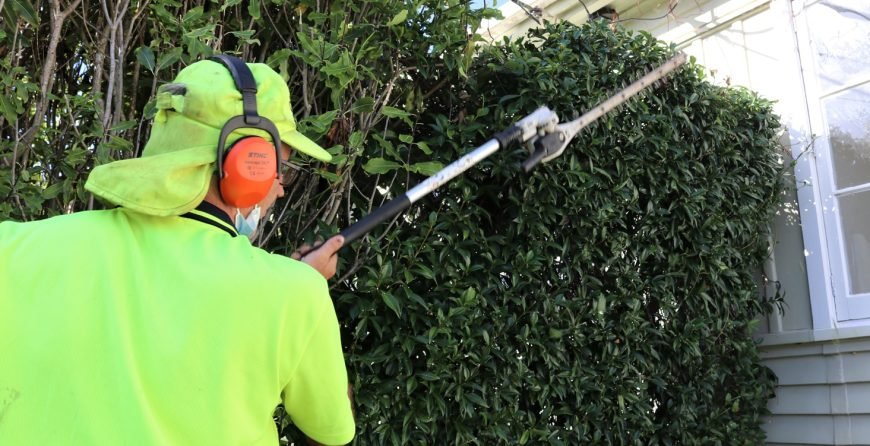
A well-kept hedge does more than frame a garden: it can provide privacy, soften boundaries, improve security and make an Auckland property feel beautifully cared for. The surprising part is that the best results usually come from consistent, seasonal attention rather than occasional dramatic cuts.
A reliable hedge maintenance service helps your hedges stay dense, healthy and neatly shaped while identifying disease or encroachment before it becomes a bigger problem. From photinia and griselinia to buxus and feijoa, each plant has its own pruning needs and ideal timing in Auckland’s subtropical conditions.
Let’s explore how professional hedge trimming and shaping works, when to schedule care and how Garden Services Auckland can help restore and maintain your hedges for the long term.
- Keep Auckland hedges neat and healthy with regular trimming: Schedule professional hedge maintenance two or three times a year to encourage dense growth, improve appearance and control encroachment.
- Trim at the right time for New Zealand conditions: Best results generally come in spring and summer, while winter is suitable for restorative pruning if growth conditions allow.
- Recognise when a hedge needs more than shaping: Overgrown, uneven or neglected hedges can often be restored through staged pruning rather than immediate replacement.
- Match care to Auckland favourites: Photinia, griselinia, buxus and feijoa each respond differently to pruning, with buxus requiring particular attention to blight prevention.
- Choose a reliable hedge maintenance service: Look for experienced gardeners, sharp tools, safe work practices and clear advice on shaping, pruning, disease prevention and an appropriate maintenance schedule.
Benefits of Professional Hedge Trimming and Shaping
A professional hedge maintenance service is more than an occasional haircut. Regular, carefully timed trimming keeps hedges dense, improves their appearance and helps maintain privacy and security around Auckland homes, rental properties and commercial sites. It also allows light and air to move through the foliage, reducing stress and making problems such as fungal disease easier to detect.
Trimming mainly controls size, shape and growth. Corrective shrub pruning goes further by removing dead, diseased, crossing or badly positioned branches. This distinction matters because cutting back into old, leafless wood may not produce new growth, while selective pruning can encourage healthy shoots and a more natural structure.
Seasonal Timing for Hedge Maintenance in Auckland’s Climate
Auckland’s mild temperatures, humidity and reliable rainfall can produce strong subtropical growth. During spring and summer, active growth makes shaping easier and helps clipped areas recover quickly. Late winter and early spring are often preferable when hot, humid conditions make working around larger hedges less comfortable, provided the species is not actively flowering.
Autumn can suit species that benefit from tidying before slower growth, while winter is useful for selected restorative work and structural pruning. Auckland gardeners should adjust their hedge cutting schedule according to the plant, weather and growth rate rather than following the same calendar for every hedge.
- Photinia: usually needs attention at least once or twice a year, with an additional visit when warm, wet weather encourages rapid growth.
- Griselinia: generally responds well to regular trimming, but dense hedges may need more frequent visits to retain a defined outline.
- Buxus: should be monitored throughout the year and trimmed without allowing clippings to accumulate around the base.
A useful starting point is to inspect hedges every two to three months and trim when they lose their shape or begin to crowd paths and windows. This approach supports seasonal hedge care without cutting excessively often.
Restoring Overgrown or Neglected Hedges
Overgrown hedges can often be restored, although the time required depends on the species, age and condition. Overgrown hedge restoration should be gradual because removing too much foliage at once can leave weak, bare sections and cause plant stress.
- Assess the species and site: identify the plant, check for disease, roots, access and signs of previous poor pruning.
- Remove hazards: cut out dead, diseased, damaged or crossing growth.
- Thin crowded areas: selectively remove interior shoots to improve light and airflow.
- Reduce the size in stages: lower the height and sides over one or more seasons where necessary.
- Restore the natural form: maintain a slightly tapered outline, with the base narrower than the top.
Restoration may not be viable when most of the hedge lacks living foliage, the root system is severely compromised, or disease is widespread. In those cases, replacement may be more economical and visually effective than attempting to rescue a declining hedge.
Professional Care for Common Auckland Hedge Varieties
Each species responds differently. Photinia benefits from regular light trimming, as old congested wood may not resprout reliably. Griselinia is well suited to crisp shaping, but hard cutting back into old, shaded wood can leave gaps. Feijoa should be shaped after flowering and fruiting, usually in late summer or autumn, while avoiding severe pruning during hot weather.
Buxus requires particular care because buxus blight prevention depends on prompt identification, sanitation and airflow. Discoloured leaves, dark lesions and dieback should be assessed before routine trimming continues. Tools should be cleaned between plants, infected material removed promptly, and clippings disposed of rather than left beneath the hedge. Auckland gardeners can find further guidance on buxus blight prevention and careful handling.
What to Expect During a Professional Hedge Service Visit
A thorough visit normally begins with an assessment of the hedge’s species, health, height, width and access. The contractor then carries out selective pruning before accurate shaping with suitable tools, such as sharp hand shears, bypass secateurs, hedge shears or a powered hedge trimmer where appropriate.
Safe access is essential. Ladders should be positioned on stable ground, sharp tools handled carefully, and overhead power lines or other electrical hazards treated as serious risks. The work area should be cleared, and offcuts removed or contained cleanly. Where a hedge borders public space or a neighbouring property, homeowners should check whether permissions or boundary restrictions apply with their local Auckland council.
Choosing a Reliable Hedge Maintenance Provider
When comparing providers, ask about horticultural knowledge, equipment, insurance, safe-working procedures, disease handling, clipping removal and ongoing scheduling. A dependable provider should explain what will be removed, why it needs removing and how the work supports the hedge’s long-term health.
Request a transparent quote and clarify whether it includes access, disposal, remedial pruning or follow-up visits. The lowest price may reflect only a quick cosmetic cut. Professional hedge care considers plant condition and growth patterns, which usually delivers better long-term value than the cheapest one-off service.
Preventing Disease and Pest Issues in Hedges
Regular inspection is the most effective way to prevent small problems from becoming expensive. Sensible watering, adequate spacing, airflow and leaf hygiene reduce stress, while early intervention prevents infected material from spreading. Look for unusual discolouring, wilting, webbing, sticky leaves, bare patches and progressive dieback.
Not every symptom indicates a disease; watering problems, root damage and incorrect pruning can look similar. Professional diagnosis is valuable when symptoms progress quickly, several branches are affected or treatment decisions risk making the hedge worse. For wider garden needs, professional gardening services available in Auckland can identify related issues beyond the hedge itself.
Professional Hedge Maintenance Cost in Auckland
The cost of hedge trimming Auckland providers charge depends on length, height, width, species, condition, access and disposal requirements. A neglected hedge requiring staged pruning, disease treatment or extensive clean-up will take longer and cost more than a routine trim. Difficult terrain, ladders and restricted access can also affect labour time.
Ask for an itemised quote separating routine trimming, corrective pruning, restoration, access and clipping removal. This makes it easier to compare providers and identify the scope of work. Garden Services Auckland can assess the site and recommend a suitable hedge shaping service and maintenance interval, based on the hedge’s actual condition rather than a standard package that may not fit.
Long-Term Hedge Health and Appearance
Professional hedge care combines routine trimming with corrective pruning to keep Auckland hedges dense, healthy and well shaped. Timing should reflect each species and Auckland’s mild, humid climate, while gradual restoration gives neglected hedges the best chance of recovering without stress.
Regular inspections, safe access and prompt disease management protect both plants and surrounding properties. For homeowners and businesses, choosing professional hedge care based on the hedge’s condition, rather than price alone, delivers better long-term results. Arrange a tailored assessment and maintenance plan to keep your hedge tidy, secure and thriving throughout the year.