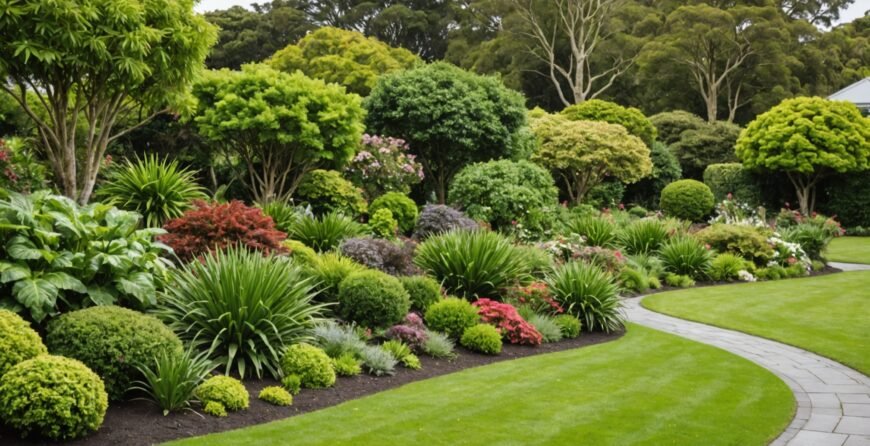
Auckland’s subtropical climate means your garden’s growing season starts weeks earlier than most other regions—a detail that catches many new homeowners off guard. Understanding how to work with these local conditions is the difference between a garden that thrives and one that slowly frustrates you into avoidance.
This seasonal guide walks you through what garden maintenance Auckland requires each quarter, from spring planting to winter storm protection. Whether you’re a hands-on gardener or someone seeking professional garden maintenance services to handle the heavy lifting, knowing the rhythm of the seasons prevents the overwhelm that leads to neglected gardens and costly fixes.
Let’s dive into your year-round roadmap.
- Work with Auckland’s subtropical climate, not against it: Our unique weather patterns—warm, humid summers and mild, wet winters—mean seasonal timing differs from other regions, so align tasks like fertilizing, pruning, and planting with local conditions.
- Seasonal checklists prevent costly mistakes: Each season brings specific priorities: spring planting and feeding, summer’s watering and pest vigilance, autumn cleanup and bulb planting, and winter’s plant protection and storm preparation.
- Year-round consistency delivers lasting results: Regular hedge trimming, lawn mowing, mulching, and soil health maintenance prevents the overwhelming buildup of tasks that leads many homeowners to abandon their gardens.
- Professional services offer tailored Auckland expertise: Local garden maintenance providers understand regional soil types, rainfall patterns, and microclimates, applying seasonal knowledge that generic approaches miss.
Understanding Auckland’s Unique Climate Cycle for Garden Maintenance
Auckland’s position as New Zealand’s largest city brings remarkable diversity to its gardening landscape. The region experiences a subtropical climate characterised by warm, humid summers and mild, wet winters—conditions that create an extended growing season unlike most other parts of the country. This means your garden maintenance auckland calendar operates on its own timeline, with many tasks beginning weeks earlier than recommended for regions further south. Understanding your local microclimate—whether you garden on the volcanic soils of Mount Wellington, the clay deposits of the Hunua Ranges, or the coastal areas exposed to salt-laden winds—directly influences when and how you approach each seasonal task.
Spring Garden Preparation in Auckland
Spring arrives in Auckland typically during late August through October, bringing warmer soil temperatures and renewed plant growth. This is the ideal time for spring garden preparation, including planting frost-tender vegetables and annual flowers that would struggle in cooler months. Fertilising established plants becomes essential as they exit dormancy, with native species responding well to slow-release formulations specifically designed for New Zealand conditions. Your spring garden checklist should include clearing winter debris, refreshing mulch layers to retain moisture as temperatures rise, and dividing overgrown perennials such as hebe and agapanthus that have become congested. For those seeking comprehensive support, professional garden maintenance services can handle the intensive labour of spring preparation while you focus on planning summer colour schemes.
Timing Spring Plantings Around Auckland’s Frost Dates
While Auckland generally experiences milder winters than most of New Zealand, late frosts can still occur in inland suburbs through early September. Understanding your specific area’s frost risk helps determine safe planting windows—coastal suburbs like Mission Bay and Devonport warm earlier than elevated areas like Titirangi. Kōwhai trees begin their spectacular golden bloom in late winter, signalling that soil temperatures are rising sufficiently for warm-season crops.
Summer Garden Watering, Pruning, and Pest Management
January and February bring Auckland’s warmest temperatures, often accompanied by humidity that creates ideal conditions for fungal diseases. Effective summer garden watering means watering deeply and less frequently rather than light daily sprinklings—this encourages roots to penetrate deeper into the soil profile. Early morning watering reduces evaporation losses and gives foliage time to dry before evening, minimising disease pressure on susceptible plants like roses and cucurbits. Pruning during summer focuses on deadheading spent flowers to encourage continued blooming, shaping hedges to maintain clean lines, and removing any storm-damaged branches before they become entry points for disease. The humid conditions also favour pests such as whitefly, aphids, and bronze orange bugs on citrus, requiring regular monitoring and intervention strategies appropriate for organic or conventional gardens.
Autumn Garden Cleanup and Spring-Flowering Bulb Planting
March through May marks autumn garden cleanup season in Auckland, a period of transition that sets the foundation for spring beauty. Clearing fallen leaves prevents the development of fungal diseases like anthracnose while maintaining tidy garden beds. This is the critical window for planting spring-flowering bulbs including tulips, daffodils, and hyacinths—these need a cold period to initiate flowering and should be planted before winter soil temperatures drop too significantly. Autumn is also ideal for dividing herbaceous perennials, replanting those spring-flowering specimens you’ve lifted, and refreshing compost around garden beds. Many Auckland gardeners use this period for seasonal garden clean-ups that combine leaf removal, hedge trimming, and preparing plants for the approaching cooler season.
Winter Plant Protection and Storm Damage Management
Winter in Auckland brings persistent rainfall and occasional storms that test garden structures and plant resilience. Winter plant protection focuses on ensuring proper drainage around sensitive species, staking tall plants vulnerable to wind damage, and applying fresh mulch to protect root zones from saturated, cold soils. The pohutukawa and other native species prove remarkably wind-tolerant, while more delicate imports may require shelter or staking. Storm damage management includes regularly checking for fallen branches, clearing gutters and drains to prevent waterlogging, and pruning any damaged limbs cleanly to promote healing. This quieter season offers excellent opportunities for planning improvements and scheduling major restructuring projects.
Year-Round Lawn Care and Hedge Trimming Schedules
Consistent lawn care forms the backbone of attractive Auckland properties, with cool-season grasses like fescue and ryegrass maintaining growth through most winters while warm-season varieties like couch grass enter partial dormancy. Regular mowing at appropriate heights prevents stress—cutting too short during summer increases water requirements while allowing grass to grow too long invites disease. Hedge trimming follows growth patterns specific to each species: fast-growing formats like Buxus and Privet require multiple annual trims, while slower-growing native species need less frequent attention. Establishing a consistent schedule with garden care services ensures hedges maintain their formal appearance without the shock of aggressive renovation pruning.
Mulching and Soil Health Throughout the Seasons
Mulching represents one of the most impactful practices for maintaining healthy gardens across all seasons, providing insulation against temperature extremes, moisture retention during dry periods, and gradual nutrient enrichment as organic matter decomposes. Auckland’s volcanic soils generally offer excellent fertility, but clay-heavy areas benefit particularly from regular organic mulching that improves structure and drainage over time. Applying mulch to a depth of 50-75mm around plants—keeping clear of direct contact with stems and trunks—creates the optimal balance between suppression of weeds and allowing water penetration. Replenishing mulch annually, ideally during spring and autumn transitions, maintains these benefits throughout the garden maintenance cycle.
Conclusion
Mastering garden maintenance in Auckland requires understanding the region’s distinct seasonal patterns and adapting your care routines accordingly. From spring planting through winter protection, each season presents unique opportunities to nurture healthy, vibrant gardens that thrive in Auckland’s subtropical environment. Consistent practices like deep watering, proper mulching, and scheduled hedge trimming accumulate into lasting garden beauty.
Whether you prefer hands-on seasonal gardening or professional assistance, the principles outlined here provide a foundation for year-round success. Explore the full range of garden maintenance services in Auckland to complement your efforts and ensure your outdoor spaces remain at their finest throughout every season.