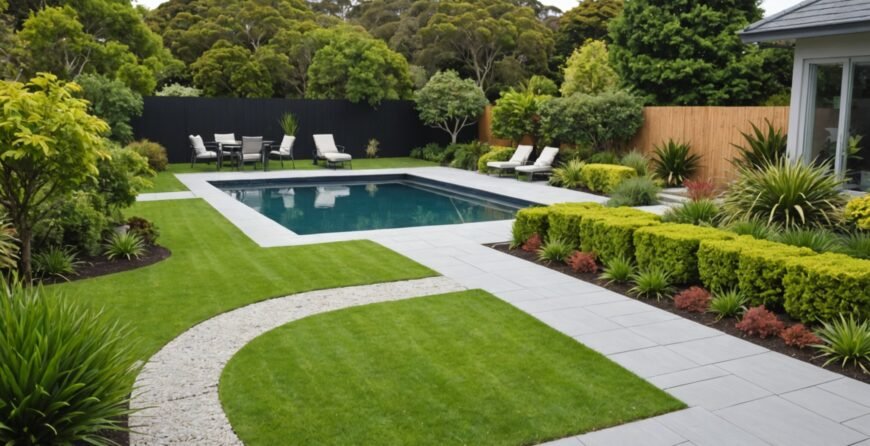
Your garden has more potential than you might think. In Auckland’s subtropical climate, where volcanic soils meet coastal conditions and rainfall is abundant, creating an outdoor space that thrives year-round takes more than instinct—it takes professional expertise.
Understanding the difference between landscape design and construction is the first step toward transforming your property. While designers craft the vision and select plants suited to Auckland’s unique conditions, qualified landscapers handle the physical work that brings everything together. From hard landscaping elements like paving and decking to the planting schemes that bring your garden to life, every decision shapes how your outdoor space functions and feels.
This guide walks you through everything involved in professional landscaping Auckland specialists offer, from initial concept through to ongoing garden maintenance that protects your investment for years to come.
- Landscape design and installation are separate expertise areas: A landscape designer creates the concept, drawings, and plant selection, while a qualified landscaping company handles the physical construction and installation—understanding this distinction helps you hire the right professionals for your project.
- Hard and soft landscaping work together: Hard elements like paving, decking, and retaining walls provide structure and functionality, while soft landscaping through planting, lawns, and garden beds adds beauty and biodiversity—both are essential for a cohesive outdoor space.
- Auckland’s climate shapes every landscaping decision: From subtropical conditions in the north to windier coastal areas, Auckland’s microclimates, rainfall patterns, and volcanic soils all influence plant selection, material choices, and long-term garden performance.
- Ongoing garden maintenance protects your landscaping investment: Professional maintenance—including seasonal pruning, lawn care, irrigation management, and plant health monitoring—ensures your newly landscaped garden thrives year-round rather than becoming overgrown or damaged.
Understanding Your Outdoor Space Potential
Transforming an underutilized backyard into a stunning outdoor living area requires more than simply adding plants and hoping for the best. Successful garden makeovers begin with a thorough assessment of existing conditions, including soil quality, sun exposure patterns, drainage considerations, and how the space will be used throughout the year. Professional garden designers evaluate these factors systematically, creating tailored plans that address both immediate aesthetic improvements and long-term landscape sustainability.
Many homeowners discover that their outdoor spaces suffer from poor drainage, compacted soil, or inappropriate plant selections for the local climate. A comprehensive garden makeover addresses these foundational issues first, ensuring that subsequent investments in hardscaping and plantings deliver lasting results rather than requiring constant maintenance and replacement.
The Foundation: Strategic Hardscaping
Hardscaping forms the structural backbone of any successful garden transformation. Patios, pathways, retaining walls, and decorative stone features create defined zones that guide movement through the space while providing functional areas for entertaining, relaxation, and practical access. The selection of materials significantly impacts both the visual character and the durability of these elements.
Natural stone offers timeless appeal and excellent longevity when properly installed. Stone and hardscaping services encompass everything from simple garden paths to elaborate outdoor kitchen installations. Case studies in residential projects demonstrate that well-designed patios using quality flagstone can increase usable outdoor living space by 40% while adding measurable value to the property. The key lies in proper base preparation, which prevents settling and weed growth over time.
Retaining walls serve dual purposes: they manage elevation changes while creating opportunities for terraced planting areas that maximize space in sloped yards. Engineers recommend walls exceeding three feet in height be designed with proper drainage systems and reinforcement to withstand soil pressure during wet seasons. Professional installation ensures these structures remain stable for decades without requiring extensive repairs.
Plant Selection and Strategic Placement
Plants bring life, color, and seasonal interest to designed spaces, but their placement requires careful consideration of growth patterns, maintenance needs, and how individual specimens will interact over time. Mature size predictions are critical—planting too close to structures or other plants creates crowding problems that manifest years later when pruners must constantly battle against nature’s intentions.
Layered planting schemes create visual depth and ensure something remains in bloom throughout multiple seasons. Planting and removal services include soil amendment, proper installation techniques, and ongoing care programs that help new plantings establish strong root systems. Research indicates that newly planted specimens receiving dedicated aftercare show 85% higher survival rates compared to installations left to natural conditions without supplemental watering during establishment periods.
Native and drought-tolerant species reduce maintenance demands while supporting local ecosystems. Auckland’s climate suits numerous indigenous plants that thrive with minimal intervention once established. Combining functional evergreen structure with deciduous specimens providing autumn color and winter interest creates year-round appeal without excessive upkeep requirements.
Integration and Ongoing Management
The most successful garden transformations result from cohesive design thinking that treats hardscaping and softscaping as interdependent elements rather than separate projects. Pathways should lead logically between destinations, planting beds should frame rather than obstruct views, and lighting considerations should be incorporated during initial construction rather than added as afterthoughts.
Irrigation systems merit particular attention during major renovations. Modern drip irrigation delivers water directly to plant root zones, reducing waste by up to 60% compared to traditional overhead sprinklers while promoting deeper root growth. Smart controllers that adjust watering schedules based on rainfall and evapotranspiration data further optimize resource use while maintaining plant health.
Maintenance planning should begin during design phases rather than after completion. Specimens requiring frequent pruning, dividing, or protection from frost should occupy accessible locations where homeowners can manage them without difficulty. Alternatively, low-maintenance approaches using automated irrigation, mulched beds, and self-sustaining plant communities suit those seeking attractive gardens without demanding weekend labor commitments.
Conclusion
A successful garden transformation builds on careful planning and proper foundations. The integration of stone and hardscaping with thoughtful planting and removal services creates outdoor spaces that remain functional and beautiful throughout the seasons. Professional assessment ensures that every element works together, from drainage solutions to irrigation systems, delivering results that stand the test of time rather than requiring constant maintenance.
Begin your journey today by exploring a comprehensive garden makeover approach that treats your outdoor space as an extension of your home. With proper foundations and cohesive design, your backyard can become a stunning retreat that adds lasting value to your property.