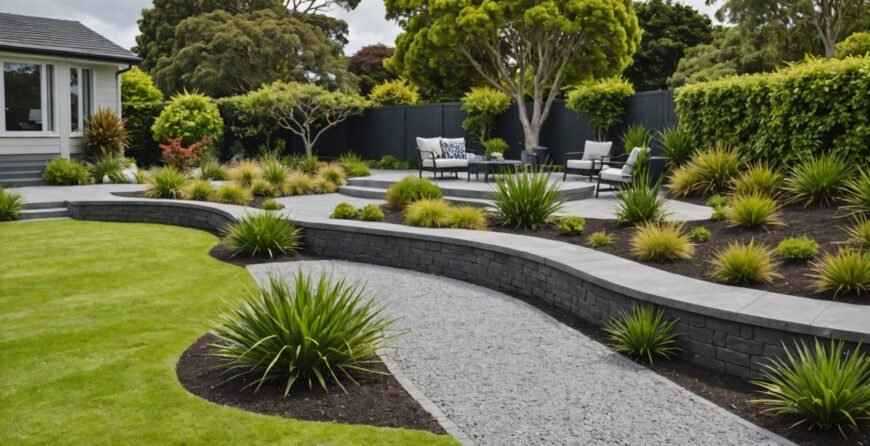
Did you know that a well-designed garden can increase your property’s value by up to 20%? For Auckland homeowners, professional landscaping isn’t just about aesthetics—it’s an investment in your property’s future and your quality of life.
From navigating Auckland’s unique volcanic soils and subtropical rainfall patterns to selecting plants that thrive in our coastal microclimates, successful landscaping requires careful planning and expertise. Whether you’re dreaming of a lush native garden, a functional outdoor entertainment area, or a complete garden makeover, understanding the journey from concept to completion makes all the difference.
In this guide, we’ll walk you through everything you need to know about landscaping Auckland properties, from initial design through to installation and beyond.
- Start with a master plan to avoid costly mistakes: Professional landscaping follows a structured journey from initial concept to final installation, ensuring every element—from soil preparation to plant placement—works harmoniously together.
- Auckland’s subtropical climate demands smart plant choices: Select native and coastal-tolerant species that thrive in local rainfall patterns and soil types, creating gardens that flourish with minimal intervention.
- Balance beauty and budget from day one: Quality landscaping is an investment; transparent quoting on materials, labour, and ongoing maintenance prevents surprises and delivers lasting value.
- Expert help transforms vision into reality: Working with experienced Auckland landscapers means access to local knowledge, reliable contractors, and designs tailored to your specific microclimate and lifestyle needs.
Understanding Stone and Hardscaping in Modern Garden Design
Stone and hardscaping elements form the architectural backbone of contemporary outdoor spaces, transforming ordinary gardens into sophisticated landscapes that balance natural beauty with practical functionality. Unlike softscaping, which involves plants and organic materials, hardscaping encompasses all non-living features including pathways, retaining walls, patios, and decorative stone installations. For homeowners seeking to enhance their properties in Auckland, professional stone and hardscaping services provide the expertise needed to create enduring outdoor environments that require minimal maintenance while maximizing visual impact.
The strategic use of stone elements accomplishes multiple objectives simultaneously. Well-designed hardscaping controls erosion by managing water flow across sloped terrain, defines distinct zones within the garden for entertaining, relaxation, and practical purposes, and significantly increases property value through improved curb appeal. According to industry research, quality hardscaping installations can return between 65% and 75% of their cost through increased property valuation, making them sound investments for homeowners planning long-term property improvements.
Popular Hardscaping Materials and Their Applications
Selecting appropriate materials forms the foundation of successful hardscaping projects, as each stone type offers distinct characteristics suited to specific applications. Natural bluestone provides exceptional durability combined with a sophisticated color palette ranging from blue-grey to warm buff tones, making it ideal for formal patios and pool surrounds. Granite, valued for its strength and resistance to weathering, excels in high-traffic pathways and outdoor kitchen countertops where durability remains paramount.
Precast concrete pavers have gained substantial popularity due to their versatility and cost-effectiveness, available in numerous shapes, colors, and textures that can replicate natural stone appearance at reduced expense. Limestone offers warm, earthy tones that complement traditional and transitional garden styles, though it requires sealing in Auckland’s climate to prevent moisture absorption. For homeowners seeking sustainable options, reclaimed brick and salvaged stone provide character-rich materials with environmental benefits while creating authentic, timeworn aesthetics.
Designing Functional Outdoor Living Spaces
Modern hardscaping extends far beyond basic pathways to encompass complete outdoor living environments. Integrated seating walls constructed from matching stone materials define entertainment areas without obstructing sightlines, while built-in fire pits extend usability into cooler months and create natural gathering points for family and guests. Outdoor kitchens featuring stone countertops and surrounding structures transform backyards into functional extensions of the home, reducing indoor cooking demands during pleasant Auckland summers.
Proper planning ensures hardscaping elements complement existing architecture and landscape features. Professional designers consider sight lines from primary windows and outdoor seating areas, ensuring new installations enhance rather than obstruct important views. Scale relationships between hardscape features and surrounding plant material require careful attention, as overly dominant stone elements can overwhelm smaller gardens while insufficient hardscaping leaves larger properties feeling unfinished and undefined.
The Professional Installation Process
Quality hardscaping demands meticulous site preparation that determines long-term performance. Professional installers begin by excavating to appropriate depths based on intended use, typically requiring 6 to 8 inches of compacted aggregate base for pedestrian surfaces and 10 to 12 inches for vehicular applications. Proper grading ensures effective drainage away from structures and prevents water accumulation that leads to settling, frost damage, and weed invasion between joints.
Edge restraint systems anchor paver installations and prevent creeping that compromises walkway integrity over time. Geotextile fabric placed between subsoil and base material prevents mixing while allowing water percolation, extending the lifespan of the installation significantly. The finishing touches—including joint sand compaction, sealing where appropriate, and proper curing for mortared applications—complete installations that endure decades of use with minimal maintenance requirements.
Maintenance Strategies for Lasting Beauty
One significant advantage of quality stone hardscaping involves its remarkably low maintenance demands compared to organic landscape features. Regular sweeping and occasional pressure washing remove accumulated debris and prevent biological growth that can stain or deteriorate surfaces over time. Joint stabilization products re硬化 loose jointing material, maintaining tight seams that prevent weed establishment and water infiltration.
Protective sealers applied every three to five years enhance color richness while providing additional protection against oil spills, moisture penetration, and UV degradation. Addressing minor settling promptly prevents small issues from escalating into major repairs, as individual pavers or stones can typically be reset without disturbing surrounding areas. Professional garden makeover services often include hardscaping assessment and maintenance as part of comprehensive outdoor renewal programs.
Integrating Hardscaping with Plant Material
Successful landscape design harmonizes hard and soft elements into cohesive compositions that feel intentional rather than afterthought. Strategic placement of planting pockets within hardscape areas softens transitions between built and natural environments, while properly selected groundcovers eventually fill joints between pavers in less formal garden settings, creating romantic, established aesthetics over time.
The interplay between warm stone tones and vibrant greenery creates visual interest through contrast and complementary color relationships. Silver and grey foliage plants echo cool stone hues, while golden or variegated varieties provide striking contrast against darker stone surfaces. Water features incorporating natural stone elements amplify the sensory experience through sight and sound, creating focal points that draw attention and invite exploration throughout the garden.
Professional planting and removal services complement hardscaping installations by ensuring appropriate species selection, proper soil preparation, and optimal placement that supports both immediate visual impact and long-term plant health. The relationship between stone and living elements requires ongoing attention as plants mature, with pruning and occasional removal maintaining intended design proportions and preventing encroachment onto functional surfaces.
Conclusion
Stone and hardscaping represent a transformative investment for Auckland homeowners seeking to create stunning, low-maintenance outdoor environments. The combination of durable materials, thoughtful design, and professional installation delivers lasting value while reducing ongoing garden maintenance demands.
Whether planning a complete outdoor transformation or selectively enhancing existing landscapes, expert guidance ensures hardscape elements integrate seamlessly with planting schemes. Begin your journey toward an exceptional outdoor space by exploring the possibilities with Garden Services Auckland.